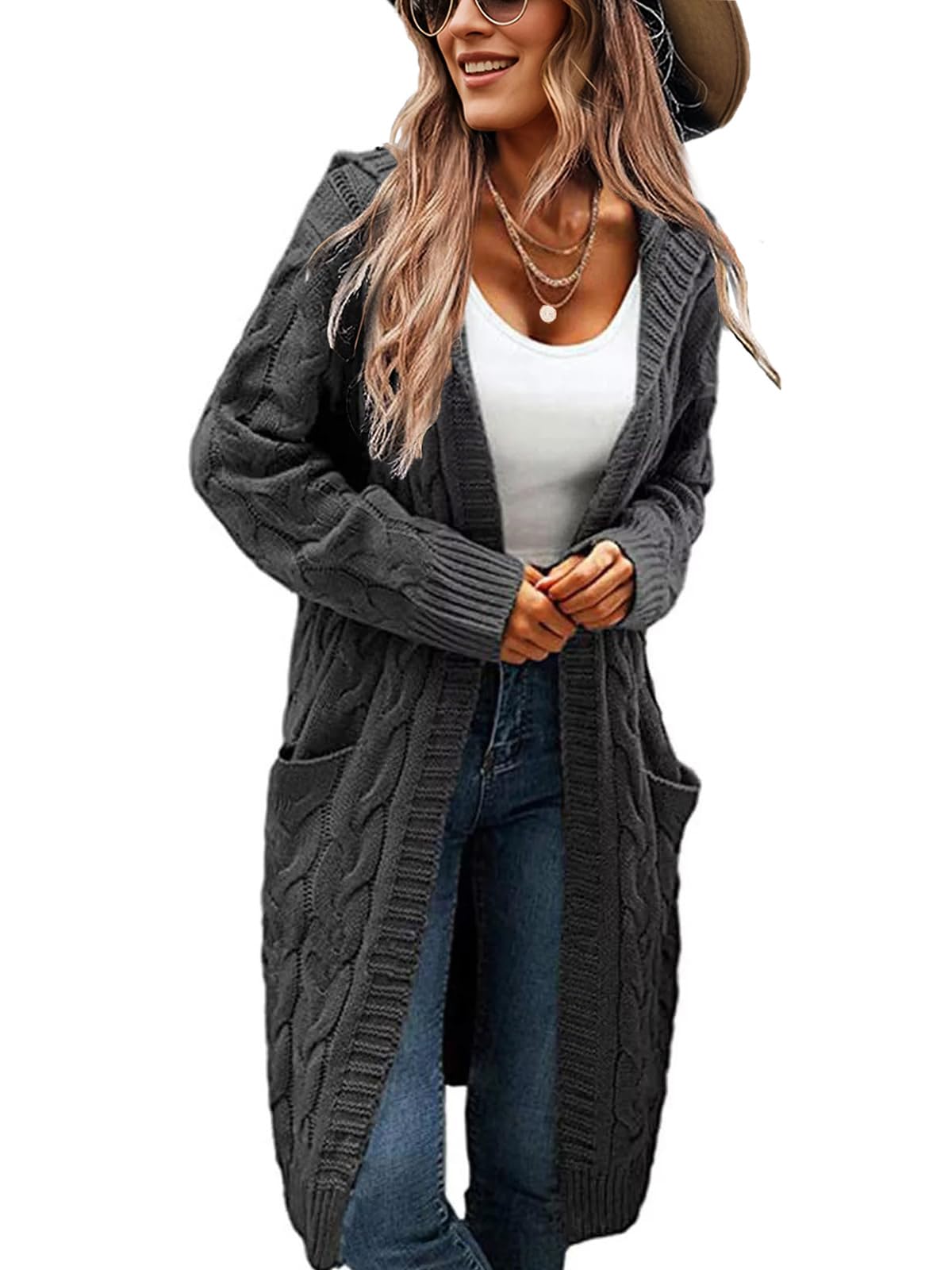
Price crashes on seasonal products reach 60-80% in off-season. A $40 winter coat costs $8-15 in spring. A $20 summer fan costs $3.99 in October. Strategic seasonal shopping means buying items months before you need them, capturing massive discounts, and storing them for later use.
This requires different thinking than traditional shopping. Instead of buying when you need something, you buy when prices are lowest, store the item, and use it later. For budget-conscious shoppers, this single strategy saves thousands annually.
In this guide, we'll map seasonal price cycles, identify the best times to buy, storage strategies, and which items are worth front-loading purchases.
The Seasonal Price Cycle
Prices follow predictable cycles based on demand. Understanding these cycles lets you time purchases strategically.
Winter seasonal items:
Winter coats, boots, hats, gloves, thermal underwear: Peak prices November-December, lowest prices February-March (60-70% discounts).
Heaters, space heaters, heated blankets, humidifiers: Peak prices September-October, lowest prices April-June (50-65% discounts).
Holiday decorations: Peak prices November-December, lowest prices January-February (70-80% discounts).
Buying window: Buy in March-April for next winter. Store until November.
Spring/Summer seasonal items:
Summer clothing, sandals, sunglasses, swimwear: Peak prices April-May, lowest prices August-September (50-70% discounts).
Air conditioning units, fans, air purifiers: Peak prices May-June, lowest prices September-October (55-70% discounts).
Garden supplies, seeds, outdoor furniture: Peak prices March-May, lowest prices August-October (60-75% discounts).
Grills and outdoor cooking equipment: Peak prices April-June, lowest prices September-November (55-70% discounts).
Buying window: Buy in September-October for next summer. Store until May.
Fall seasonal items:
Halloween costumes and decorations: Peak prices August-September, lowest prices November-December (70-85% discounts).
Back-to-school supplies: Peak prices July-August, lowest prices September-October (40-60% discounts).
Autumn decorations: Peak prices September-October, lowest prices November-January (65-80% discounts).
Buying window: Buy in January-February for next fall.
Year-round seasonal items:
Gift wrap, gift bags, ribbons: Peak prices October-December, lowest prices January-February (75-85% discounts).
Holiday lights and LED strings: Peak prices September-November, lowest prices February-May (70-80% discounts).
Greeting cards: Lowest prices January-February following holidays.
Buying window: Stock up in January-February for all holidays.
Which Seasonal Items Are Worth Front-Loading
Not all seasonal items deserve front-loading. Some have shelf life or storage concerns.
Excellent candidates for front-loading:
Clothing and footwear: No shelf life concerns. Winter coat bought in March for use in November is identical to one bought in October.
Decorations: No shelf life concerns. Holiday decorations last years with proper storage.
Non-perishable holiday items: Candy, chocolate, non-perishable treats have long shelf life. Buy 75-80% discounted items and use throughout the year.
Durable goods (heaters, fans, AC units): No shelf life concerns. A fan bought in October for use in June is identical to one bought in May.
School supplies: Pens, notebooks, binders don't expire. Buy August discounted supplies for future use.
Marginal candidates (consider but don't over-buy):
Consumable holiday items: Batteries for holiday lights have expiration dates (usually 5-10 years). Buy quantities you'll actually use in that timeframe.
Perishable gift items: Holiday chocolates, candy, nuts have shelf lives. Buy only quantities you'll consume within 6-12 months.
Electronics with batteries: Items requiring charged batteries (toys, decorations) might have battery degradation. Buy if you'll use within 1-2 years.
Poor candidates for front-loading:
Seasonal medications: Cold and flu medications have shelf lives. Buy as needed, not months in advance.
Fresh food: Seasonal fresh foods (pumpkins, apples) have short shelf lives. Buy seasonally.
Trending items: Fashion items trendy one year might be outdated next year. Avoid front-loading trendy clothing.
Perishables: Food items with short shelf lives aren't good candidates.
Storage Solutions for Front-Loaded Seasonal Items
Front-loading only works if you have storage space.
Apartment living:
Closet shelves: Use vertical space in closets for off-season clothing and shoes.
Under-bed storage: Plastic bins under beds hold heaps of seasonal items.
Closet rods with divided sections: Hang winter items on one rod, summer items elsewhere.
Vacuum storage bags: Reduce volume of soft items (winter coats, blankets) by 70% using vacuum storage bags ($5-10 for a pack of 5).
Shelf units in living spaces: A $30-50 shelving unit holds multiple bins of seasonal items.
House living:
Basement storage: Climate-controlled basements are ideal for all seasonal items.
Garage shelving: Organized garage shelving handles seasonal tools, decorations, and items.
Attic storage: Good for lightweight items (clothing, decorations) but avoid damp attics (causes mold and rot).
Outdoor sheds: Suitable for non-perishable items in dry sheds.
Storage cost analysis: Renting a storage unit ($50-100 monthly) doesn't justify seasonal shopping savings unless you're saving $1,200+ annually. Most people can manage with home storage.
Creating a Seasonal Shopping Calendar
Planning prevents disorganized shopping and ensures you don't miss buying windows.
January-February:
- Buy: Winter clearance items (coats, boots) for next winter
- Buy: Holiday decorations and gift wrap (75-80% off) for next year
- Buy: Valentine's gifts and items for future gifting
March-April:
- Buy: Last winter items at deepest discounts
- Buy: Spring cleaning supplies
- Buy: Easter decorations and items
May-June:
- Buy: Early summer clearance items (swimwear, sandals)
- Buy: Last spring items at discount
July-August:
- Buy: Heavy summer clearance (back-to-school peak buying window)
- Buy: School supplies and clothing for fall semester
- Buy: Summer electronics at clearance prices
- Watch: Prime Day sales (if July Prime Day coincides)
September-October:
- Buy: Winter items beginning to stock shelves (buy early for better selection)
- Buy: Final summer items at deepest discounts
- Buy: Halloween items and decorations
November-December:
- Buy: Holiday items at peak prices (only buy immediate needs)
- Avoid: Front-loading future items (prices not yet at lows)
Calculating Seasonal Savings
Understanding potential savings motivates seasonal shopping.
Example: Winter coat
Full price (November): $80
Off-season price (March): $24 (70% discount)
Savings: $56 per coat
Buy 2 coats in March = $48 vs. $160 retail = save $112 total.
Example: Air conditioning unit
Full price (June): $300
Off-season price (October): $99 (67% discount)
Savings: $201 per unit
Buy in October = save $201 vs. buying in June.
Example: Holiday decorations (annual)
Full price (peak): $400 for all decorations
Off-season price (January): $80 (80% discount)
Annual savings: $320
Cumulative annual impact:
Winter items: $400 annual spending, seasonal shopping saves $280 (70% of purchases)
Summer items: $300 annual spending, seasonal shopping saves $180 (60% of purchases)
Holiday items: $300 annual spending, seasonal shopping saves $240 (80% of purchases)
Total annual savings: $700 from seasonal shopping on these categories alone.
Seasonal Shopping Strategies to Maximize Savings
Beyond timing, specific strategies reduce off-season prices further.
Combine seasonal off-season pricing with sales: A winter coat at 70% off might have an additional 15% coupon during a flash sale. Layer discounts for 80-85% total savings.
Use Juicer.deals to identify seasonal flash deals: The extension surfaces seasonal items during off-season flash sales. Set up deal alerts for seasonal categories, and you'll catch sales you'd otherwise miss.
Monitor Lightning Deals during off-season: Lightning Deals for seasonal items are common. A $40 fan appearing at $10.99 in a Lightning Deal is worth buying immediately.
Subscribe and Save for repeating seasonal needs: If you buy the same winter items yearly, Subscribe and Save for off-season replenishment captures additional discounts.
Coordinate with clearance sales: End-of-season clearance sales combine with off-season pricing for deepest discounts. August/September combo captures both summer clearance and fall ramp-up.
Avoiding Seasonal Shopping Mistakes
Common mistakes offset savings.
Don't overbuy items you won't use: A 50% discount on 10 winter coats is wasteful if you only wear 2. Discipline prevents excessive stockpiling.
Don't store items in conditions causing damage: Humid storage causes mold. Hot attic storage melts items. Improper storage ruins discounted purchases.
Don't buy trending items far in advance: A fashion-forward jacket trending this year might be unwearable next year. Avoid trendy items in seasonal shopping.
Don't neglect size considerations: Clothing bought years in advance might not fit when needed. Leave room for size changes or buy adjustable items.
Don't forget expiration dates: Consumable seasonal items (medications, batteries) have expiration dates. Calculate usage rates before buying large quantities.
FAQ
Q: What's the best time to buy Christmas decorations?
A: January-February offers lowest prices (75-80% off). Buy then for next Christmas.
Q: How much space do I need to store off-season items?
A: Most apartment dwellers manage with two closet shelves and under-bed storage. Use vacuum bags to compress bulky items.
Q: Can I return seasonal items bought out of season?
A: Yes. Amazon's standard 30-day return policy applies regardless of when you buy. Off-season returns are normal.
Q: Should I buy winter items in winter or summer?
A: Buy in summer (April-June) when prices are lowest. Waiting until winter means full price.
Q: How much money can I save with seasonal shopping?
A: Depending on spending, $200-1,000 annually. The more seasonal items you buy, the greater savings.
Q: Are off-season item quality concerns?
A: No. Off-season items are identical to in-season items. Same manufacturer, same quality, just lower demand so lower prices.
Q: Is off-season shipping more expensive?
A: Usually not. Seasonal items don't incur different shipping rates. Prime shipping applies equally.
Q: Can I start seasonal shopping with limited budget?
A: Yes. Buy one item per off-season category. Over years, you'll build a strategic stockpile without large upfront costs.