The eternal question: is the $2.99 generic version really worth buying compared to the $8.99 brand name? Budget shopping forces these decisions constantly. The answer is nuanced. Some generic products are identical to name brands except for packaging. Others are genuinely inferior and worth the premium.
Understanding where generics excel and where name brands justify premium pricing helps you make intelligent trade-offs. This isn't about always choosing cheap-it's about choosing smart by analyzing what you're actually paying for when you choose premium.
In this guide, we'll examine where generics beat name brands, where name brands justify cost, and how to make these decisions systematically.
Where Generic and No-Name Brands Compete Equally with Name Brands
Some product categories are commodity items where brand barely matters. Here, generics save money without sacrifice.
Storage and organization items:
Plastic storage bins, shelving units, drawer organizers, and filing systems are commodity products. A $3.99 plastic bin functions identically to a $12.99 one. The only differences are aesthetic (colors, styling). Buy generic.
Basic office supplies:
Pens, pencils, notebooks, folders, and sticky notes are standardized. A generic pen writes as well as a premium pen. Buy generic and save 40-60%.
Cleaning supplies:
Basic cleaning products (all-purpose cleaner, soap, disinfectant) have similar formulations across brands. A generic all-purpose cleaner cleans as effectively as a premium brand. Buy generic.
Kitchen basics:
Plastic bags, food storage containers, trash bags, and basic kitchen tools are commodity items. Generic versions work identically. The "premium" versions are mostly packaging and branding.
Hardware and fasteners:
Screws, nails, bolts, washers, and basic hardware have standardized specifications. One screw works like another. Buy the cheapest generic option.
Light bulbs:
LED bulbs have standardized specifications. A $2 generic LED bulb provides the same light as a $6 brand-name bulb. Buy generic.
Cables and adapters:
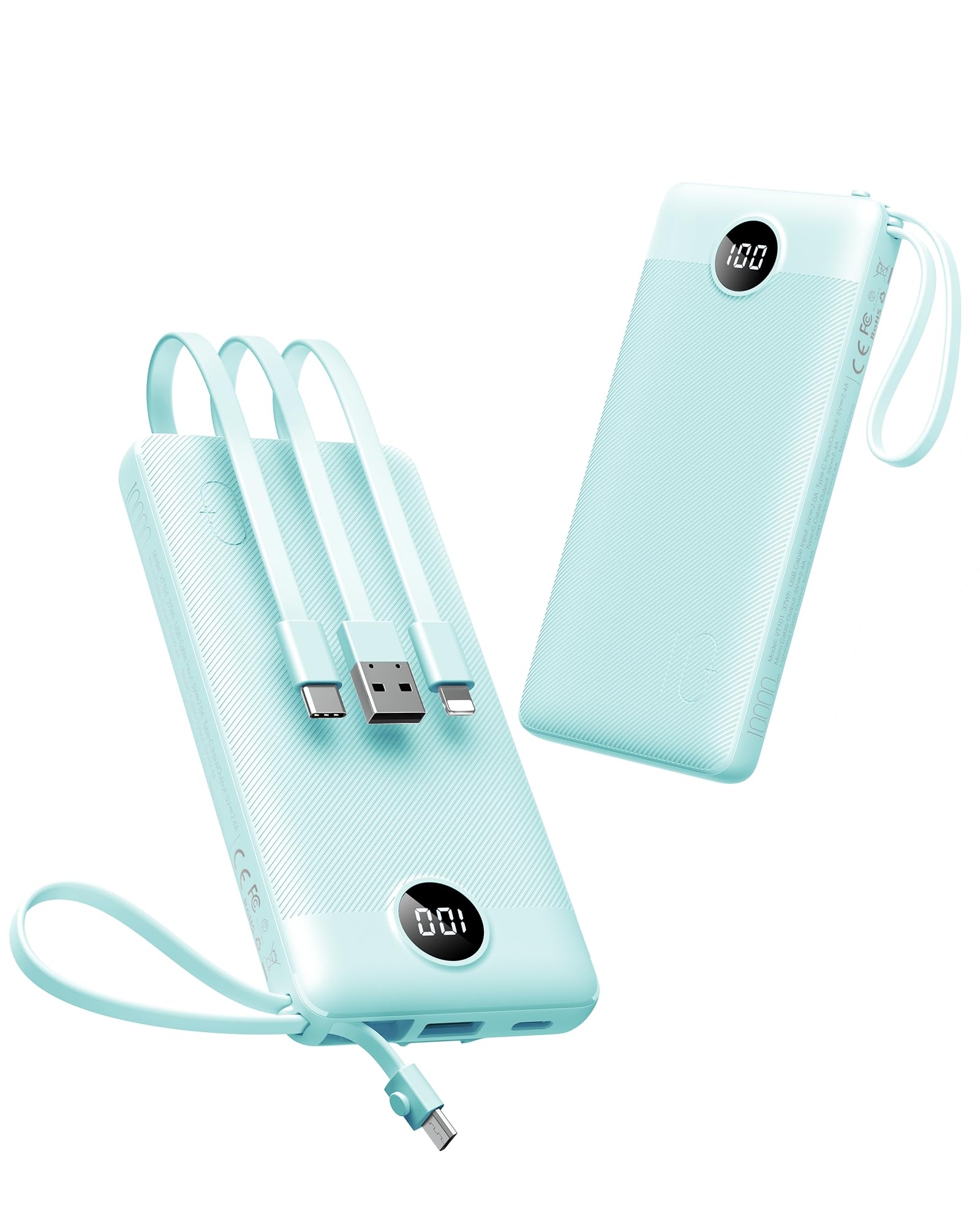
USB cables, charging adapters, and data cables are commodity items with standardized specifications. Generic versions work identically. Buy generic.
In these categories, spending more is wasteful. The brand premium pays for marketing and packaging, not superior function.
Where Name Brands Justify Premium Pricing
Some categories demand brand loyalty because generics genuinely underperform.
Medications and health supplements:
Medications have strict quality requirements. Generic medications are chemically identical to brand names, but some people experience tolerance differences. Buy generic unless a specific brand works better for you. Cost savings: 50-80%.
Consumer electronics:
Branded electronics (Apple, Samsung, Sony) build products in factories with quality control. Generic electronics often cut corners. Battery life, longevity, and reliability differ substantially. Premium pricing is justified here. Cost difference: 50-200% for quality.
Mattresses and pillows:
Sleep quality differs dramatically between cheap and quality options. Spending extra on a good mattress improves sleep quality meaningfully. This is worth the premium. Cost difference: 100-300% for quality.
Athletic shoes:
Performance and injury prevention depend on shoe quality. Cheap shoes lack proper arch support and durability. Premium athletic shoes reduce injury risk. Worth the investment. Cost difference: 50-150%.
Coffee and tea:
Brand-name coffee from reputable roasters tastes measurably better than generic coffee. If you drink daily, the premium justifies itself in enjoyment. Cost difference: 30-100%.
Spices and seasonings:
Fresh spices have measurably different flavor than stale generic spices. Fresh spices are worth the premium if you cook regularly. Cost difference: 20-50%.
Cooking oils:
Quality olive oil differs significantly from low-quality versions. Extra virgin olive oil tastes better and has better health properties. Worth the premium for regular use. Cost difference: 50-200%.
Cosmetics and skincare:
Results differ notably between budget and premium skincare. If you have sensitive skin or specific concerns, premium products often work better. Cost difference: 30-200%.
Tools and power equipment:
Quality tools last longer, perform better, and are safer. A cheap drill fails quickly. A quality drill lasts years. Worth the premium for tools you'll use. Cost difference: 50-300%.
How to Evaluate Generic Quality for Unfamiliar Products
Making smart decisions requires analysis beyond price.
Read reviews specifically for durability: Filter reviews to show "verified purchase" only. Look for complaints about longevity. If reviews say "lasted three months then broke," quality is poor. If reviews say "still working after two years," quality is good.
Identify the actual cost difference per use: A $3.99 generic item lasting 6 months costs $0.022 per day. A $9.99 brand name lasting 18 months costs $0.018 per day. The cheaper item isn't actually cheaper on a per-use basis.
Check return policies: Generics with easy returns are lower risk. If a product fails, Amazon's return policy protects you. Check return policies before buying.
Compare star ratings within category: Don't compare a 4.2-star generic to a 4.8-star name brand (the rating difference might be marketing). Compare 4.5-star generic to 4.5-star name brand. Similar ratings suggest similar quality.
Research materials and construction: Check product descriptions for materials. A storage bin made of flexible plastic is more durable than one made of brittle plastic. Material quality indicates generic quality.
Look for certifications: Products meeting industry standards have certifications. Electronics with FCC certification meet safety standards. Tools with relevant certifications indicate quality.
Psychological Price Anchoring and Brand Premium
Understanding price psychology helps you avoid overpaying for perception.
Brand premium often includes marketing costs: A branded product might be objectively identical to a generic product, but the brand pays for advertising. You're paying for marketing, not superior quality.
Price anchoring influences perception: When you see $12.99 and $3.99 versions, the $12.99 version seems "premium." But if you didn't see the cheap version, $12.99 seems reasonable. Don't let pricing influence perception-evaluate the product itself.
Placebo effects are real: If you believe a $20 product is better than an $8 product, you might subjectively experience it as better even if they're identical. This is real but artificial. Make decisions based on objective factors, not perception.
Name brands capture market share through perception: Consumer psychology favors established brands. But that doesn't mean generics are worse, just less heavily marketed. Evaluate fairly.
Strategic Brand Selection - When to Buy Which
Smart budgeting means knowing when to spend and when to save.
Buy generic (save maximum money) on:
- Office supplies and stationery
- Kitchen storage and organization
- Cleaning supplies and basic household items
- Hardware and fasteners
- Light bulbs and cables
- Paper products and consumables
- Basic furniture
Typical savings: 40-70% off name brand pricing.
Consider mid-range brands (balanced approach) on:
- Personal care products
- Food and groceries (some brands merit premium, many don't)
- Clothing basics
- Small electronics
Typical savings: 20-40% off premium pricing.
Buy premium (spend for quality) on:
- Electronics and computers
- Furniture you use daily
- Bedding and pillows
- Athletic shoes
- Tools you'll use regularly
- Specialty foods (coffee, quality oils)
- Health and skincare products
Typical premium cost: 50-300% higher than generic, but justified by quality/longevity.
Reading Between the Lines of Generic Marketing
Generics increasingly market themselves as "value alternatives." Understanding marketing language prevents overpaying.
"Just as good as the leading brand" usually means functionally equivalent. But equivalent doesn't always mean identical. Read reviews to verify.
"Meets industry standards" is good-certifications matter. But many products exceed standards. This means adequate, not exceptional.
"Amazon brand" vs. unknown brands: Amazon Basics is reputable. Unknown brands vary. Check reviews before trusting unknown generics.
"Manufactured by [big brand company]": Sometimes generic manufacturers are identical to name brands. This can be legitimate value. Verify with reviews.
Bulk pricing: Bulk packages offer per-unit savings that advantage generics. A $0.03 unit cost generic item becomes exceptional value.
FAQ
Q: Are generic medications actually identical to name brands?
A: Yes. FDA regulations ensure generic medications are chemically identical and bioequivalent. However, inert ingredients differ, and some people respond differently to identical active ingredients. Generics save 50-80%.
Q: Why do some people insist on name brands if generics are identical?
A: Psychology, habit, and marketing. Some people perceive branded products as better (placebo). Others experience genuinely different results with specific formulations. If a specific brand works for you, stick with it.
Q: Are Amazon Basics products good quality?
A: Usually yes, for basic items. Amazon Basics hand tools, storage, and basics are competent. Amazon Basics electronics are weaker. Read reviews for specific products.
Q: When should I buy bulk generic products?
A: Bulk only saves money if you use the product. A bulk pack of 500 pens is only cheap if you actually use 500 pens before they dry out.
Q: How do I know if a generic product is a good value?
A: Look for reviews citing durability and longevity. Compare cost-per-use, not just purchase price. Verify return policies. Read star ratings. Check materials.
Q: Are store brands cheaper than generic?
A: Usually yes. Target brand products are often cheaper than independent generic brands because Target leverages purchasing power. If available, try store brands.
Q: Should I always buy the cheapest option?
A: No. Evaluate based on product type. For commodity items, yes. For items where quality matters (mattresses, shoes, electronics), spend more.
Q: How much does "premium" typically cost more?
A: It varies. Commodity items have 20-30% premiums. Quality-dependent items (electronics, furniture) have 50-300% premiums. Evaluate each category.