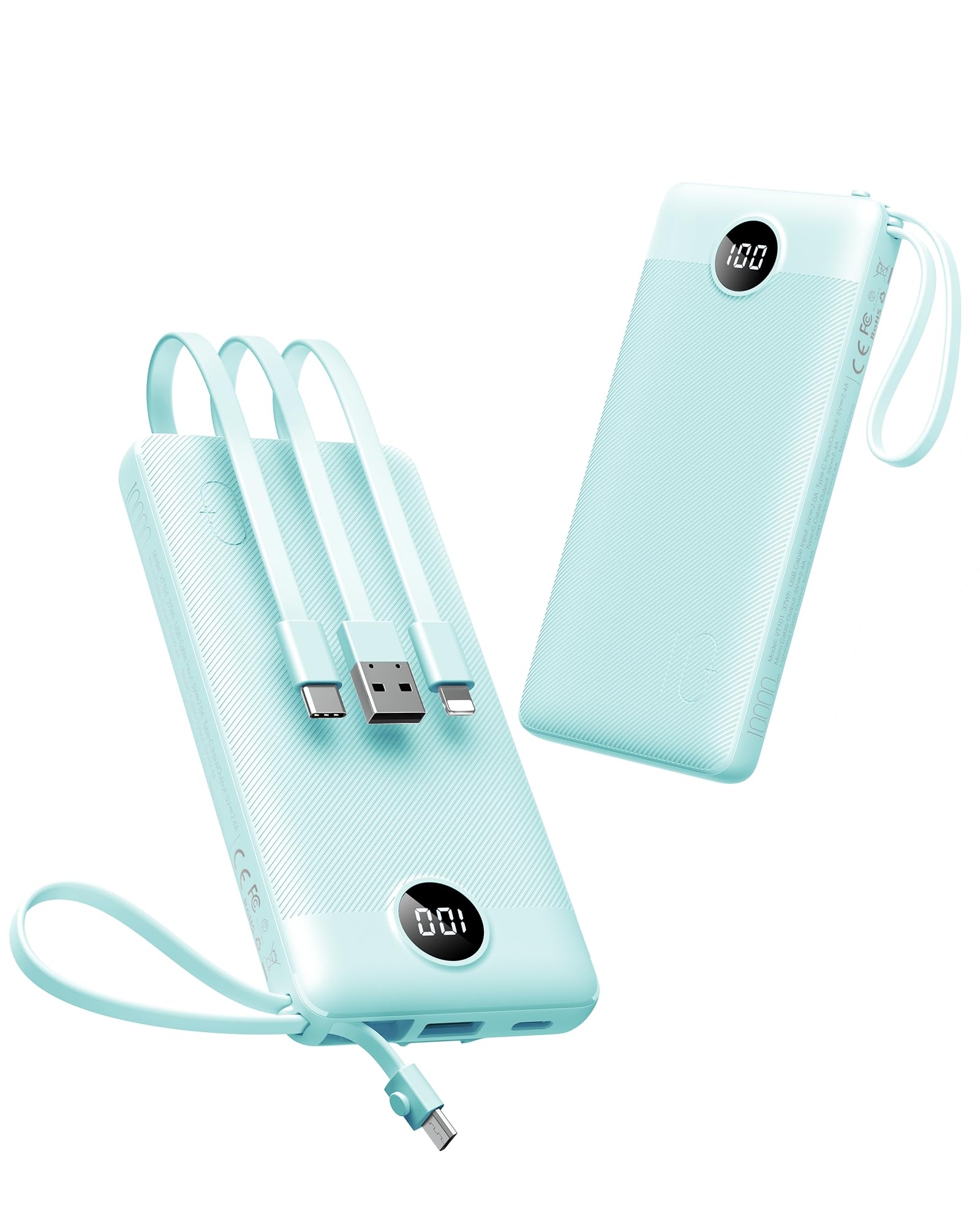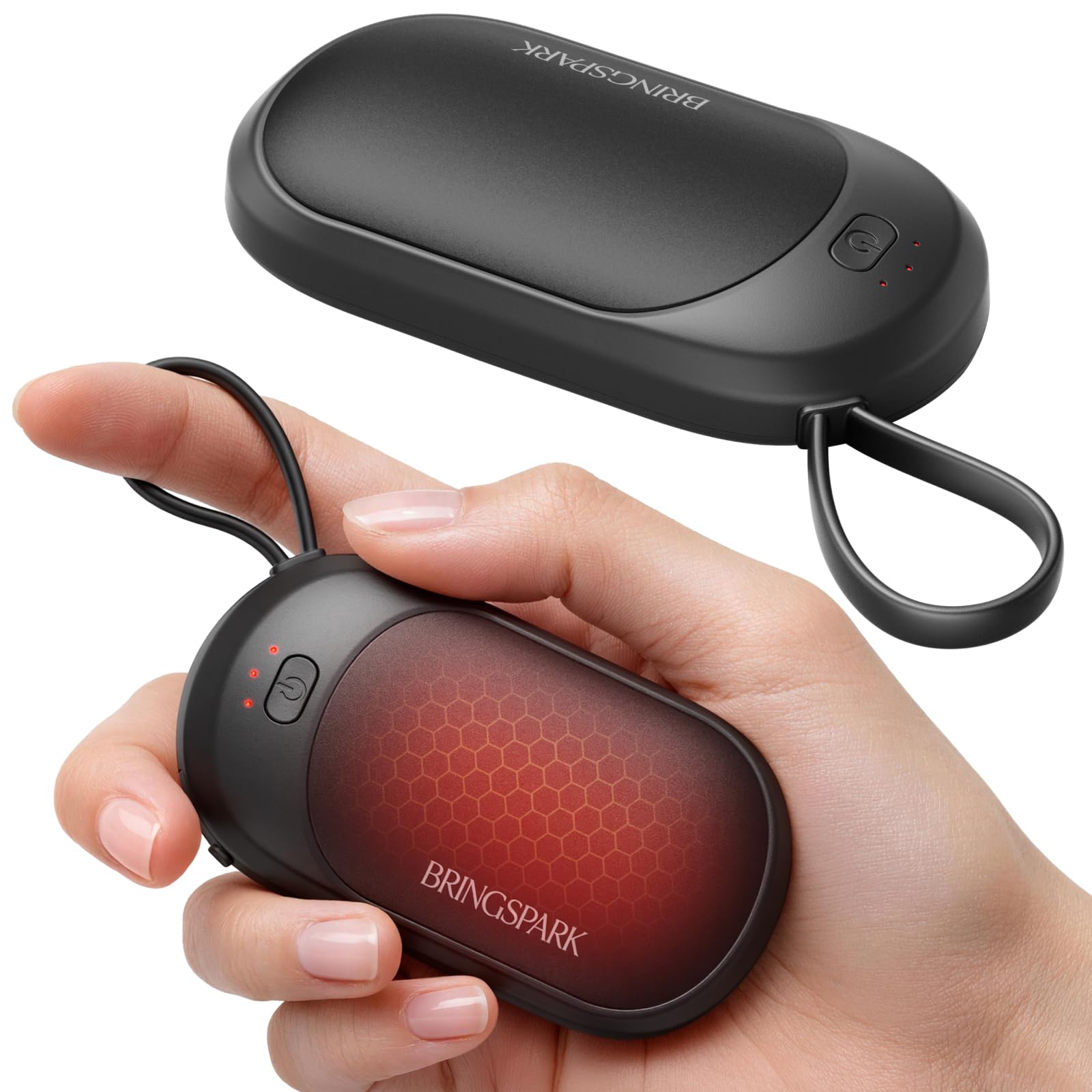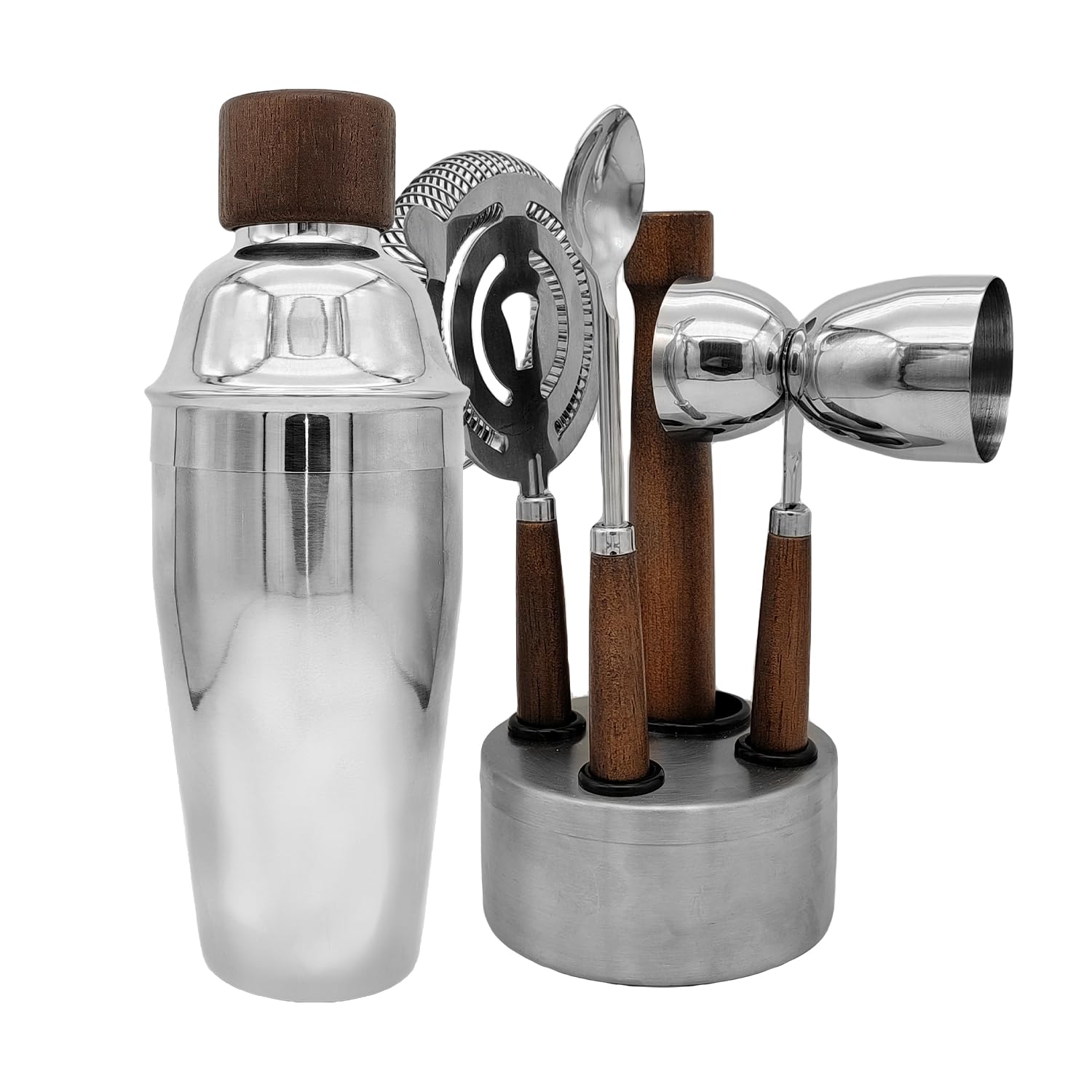
If you're trying a new brand for the first time, you're eligible for new customer coupon codes that regular repeat customers cannot access. These welcome discounts are specifically designed to lower the barrier to trying a brand, and they're often 15-30% off - significantly better than the 5-10% you'll find on standard coupon pages. The catch most people don't realize: these first purchase codes have expiration windows and specific conditions. Once you use one and establish an account history with a brand, you lose access forever. This guide shows you exactly where to find first purchase codes, how to maximize them, and when to use them strategically.
The competitive advantage you gain by understanding the first purchase coupon ecosystem is substantial. Over the course of a year, if you try even a handful of new brands, strategically using first purchase codes instead of ignoring them could save you hundreds of dollars. Most shoppers never realize these discounts exist or how easily they're accessed.
Understanding First Purchase Coupons
First purchase or new customer coupons serve a clear business purpose: lower friction for trying new brands. A consumer hesitates to try a brand without knowing if they'll like the product. A coupon code removes that hesitation by reducing the financial risk. The brand benefits because first-time buyers often become repeat customers.
From your perspective, this means:
Any brand you've never purchased from is likely offering a first purchase discount.
These discounts are exclusively for new customers to that brand.
They can only be used once per account.
They typically expire within 30-90 days of when the code is issued.
They're often more generous than codes available to existing customers.
The strategy is simple: before trying a brand for the first time, hunt for and apply its first purchase coupon code.
Where First Purchase Codes Live
Aggregator Sites
RetailMeNot, Slickdeals, CouponDunia, and similar aggregator sites maintain dedicated sections for first-time buyer coupons. Search these sites using filters like "new customer coupon" or "first purchase code."
When browsing aggregators, sort by highest rating and most recent activity. A first purchase code with recent comments saying "works today" is trustworthy. Old codes with no recent verification should be tested cautiously.
Search the aggregator using the format "[brand name] first purchase coupon" and you'll surface all available new customer codes for that specific brand.
Brand Official Websites
Most brands offer first purchase codes directly on their websites. These are sometimes featured prominently on the homepage but are often buried in a promotions section or sent via email signup.
When visiting a brand website for the first time, check these locations:
Main navigation menu for "New Customers," "First Purchase," or "Welcome" offers
Homepage banners or pop-ups announcing welcome discounts
Footer links to customer promotions
A "Sign up and save" email form that triggers a welcome code
Checkout page before purchase - sometimes brands offer a final first-purchase code before you complete the transaction
Search the brand website for "first time customer" or "welcome offer" using their search function.
Email Newsletter Signup
Most brands that maintain email lists send a welcome coupon code within the first email. The welcome email often contains the first purchase coupon, making email signup a reliable first purchase code source.
The process: visit brand website, find email signup form, enter your email, check your email within minutes, and copy the welcome coupon code from the first email received.
This method is reliable because it's automated. Brands build welcome codes directly into their email automation.
Brand Social Media
Following brands on social media sometimes reveals first purchase offers. Instagram, Facebook, and TikTok accounts occasionally promote new customer coupons through posts, stories, or DM promotions.
This is less reliable than official website or email channels, but it's worth checking if you already follow a brand on social media.
High-Value First Purchase Discount Brands
Certain brands are known for generous first purchase coupon programs. Prioritize checking these brands for welcome codes:
Anker: Frequently offers 20-30% off first purchases. Check their website or email signup.
Tineco: Often provides 20-25% off welcome codes for smart home appliances.
Instant Pot: Seasonal first purchase codes typically 15-20% off.
Dyson: Premium brand with occasional 15-20% off new customer codes.
GoPro: Tech brand that offers periodic first purchase discounts 10-15% off.
Sony: Electronics brand with quarterly first purchase promotions.
Garmin: Sports and outdoor brand with regular new customer codes.
Calphalon: Cookware brand with consistent first purchase offers.
Philips: Large appliance brand with regular welcome discounts.
Bose: Premium audio brand with occasional first purchase codes.
Check these brands' websites or email signup when making your first purchase to ensure you capture the welcome code.
New-to-You Brands Strategy
Your shopping routine probably focuses on established brands you know and trust. But periodically trying new brands gives you access to first purchase codes you wouldn't get from repeat brands.
Identify three to five new brands monthly in categories you shop. Actively seek out their first purchase codes before trying them. Even if the product isn't exceptional, the discount makes the trial lower-risk financially.
This strategy multiplies across a year. Trying even two new brands monthly means 24 first purchase discounts annually. At an average 15% off, that's substantial annual savings.
Timing First Purchase Codes
First purchase codes have expiration windows. Understanding these windows helps you use them strategically:
Expiration from issue date: Most codes expire 30-90 days from when they're issued. Check the code terms for the specific window.
Email-based codes: Codes received from email signups typically have a 60-90 day window from email receipt.
Brand website promotions: Codes displayed on brand websites often expire after a set period (sometimes seasonal).
Seasonal codes: Brands may issue special first purchase codes during promotional seasons (Prime Day, Black Friday, holidays) with specific windows.
Never assume a first purchase code you found is still active. Always verify the expiration date and check for recent activity confirming it works.
Maximizing First Purchase Discounts with Stacking
First purchase codes are coupon codes, which means they can theoretically stack with other promotions like Subscribe and Save, lightning deals, and Prime member deals.
However, first purchase codes sometimes have restrictions preventing stacking. Always check the code terms for phrases like "cannot be combined with other offers" or "not valid with Subscribe and Save."
When a first purchase code does allow stacking, layer it with other active discounts:
First purchase code + lightning deal = aggressive savings
First purchase code + Subscribe and Save = good combination, especially for consumables
First purchase code + Prime member deal = double discount opportunity
Test the code at checkout to verify it stacks correctly. Amazon will show you the final discount amount before you commit to purchase.
Account Restrictions on First Purchase Codes
Amazon tracks first purchase codes carefully. Once you've used a first purchase code for a specific brand, you won't be able to use another first purchase code from that same brand again.
Additionally, some brands restrict first purchase codes to:
New accounts created within the past 30-90 days
Specific product categories within the brand's catalog
Single-use per account (absolute restriction)
Check the code terms to understand account restrictions before using one. If you plan to buy multiple products from a brand, might want to use the first purchase code on the higher-value item.
Testing Codes Before Commitment
Before making a large purchase relying on a first purchase code, test it. Add one item to your cart, enter the code at checkout, and verify it works and shows the discount amount.
Don't confirm the purchase yet - just verify the code is valid. If Amazon rejects the code, you learn immediately why (expired, account ineligible, etc.).
Once verified, you can confidently proceed with your full purchase knowing the discount is legitimate.
Potential Pitfalls to Avoid
Mistake 1: Assuming all first purchase codes work on Amazon. Some are exclusive to the brand's direct website. Check the terms for "valid on Amazon."
Mistake 2: Using a first purchase code on a low-value item. Apply it to your highest-value first purchase so the discount amount is maximized.
Mistake 3: Forgetting to search for the code before checking out. Always allocate 60 seconds to search for a first purchase code before completing a purchase from a new brand.
Mistake 4: Storing expired codes in your mental inventory. Track codes in a spreadsheet or document so you can easily reference expiration dates.
Mistake 5: Assuming you can't use another brand's first purchase code just because you're not a brand-new Amazon customer. First purchase codes are brand-specific, not Amazon-account-specific. You can use as many first purchase codes as you have brands to use them on.
Building a First Purchase Code Tracking System
Track first purchase codes you find but haven't used yet. Create a simple spreadsheet with columns for:
Brand name
Coupon code
Discount percentage
Expiration date
Status (not yet used / used)
As you discover new brands you plan to try, log any available first purchase codes. Before purchasing, reference the spreadsheet to ensure you don't miss available discounts.
FAQ
Q: Can I use a first purchase code if I've bought from the brand before?
A: No. First purchase codes require a new account or purchase history showing zero previous orders from that brand. Once you've purchased once, you're ineligible.
Q: Are first purchase codes limited to one use?
A: Yes. Once you've applied a first purchase code to your account, you cannot use another first purchase code from that same brand.
Q: How do I know if a first purchase code still works?
A: Test it at checkout before confirming your purchase. Amazon will immediately tell you if the code is invalid, expired, or your account is ineligible.
Q: Can I combine a first purchase code with Subscribe and Save?
A: Sometimes. Check the code terms. If it doesn't explicitly exclude Subscribe and Save, test it in checkout - Amazon will show you if they stack.
Q: What's the average discount on a first purchase code?
A: 10-30% depending on the brand. Premium brands and electronics brands tend toward the higher end (20-30%), while mass-market brands average 10-15%.
Q: Where's the best place to find first purchase codes?
A: Brand official websites (especially email signup) and aggregator sites like RetailMeNot. Aggregators often have better organization for filtering by new customer codes.
---
About the Author: Netzah Elad Topaz is a shopping strategist and deal hunter with over a decade of experience helping consumers maximize their Amazon purchases through strategic coupon stacking and discount discovery.